
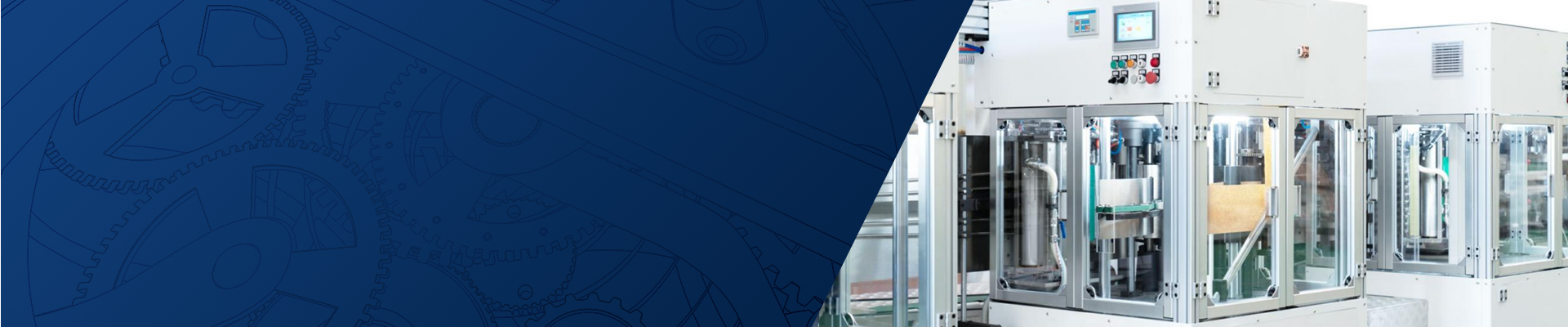
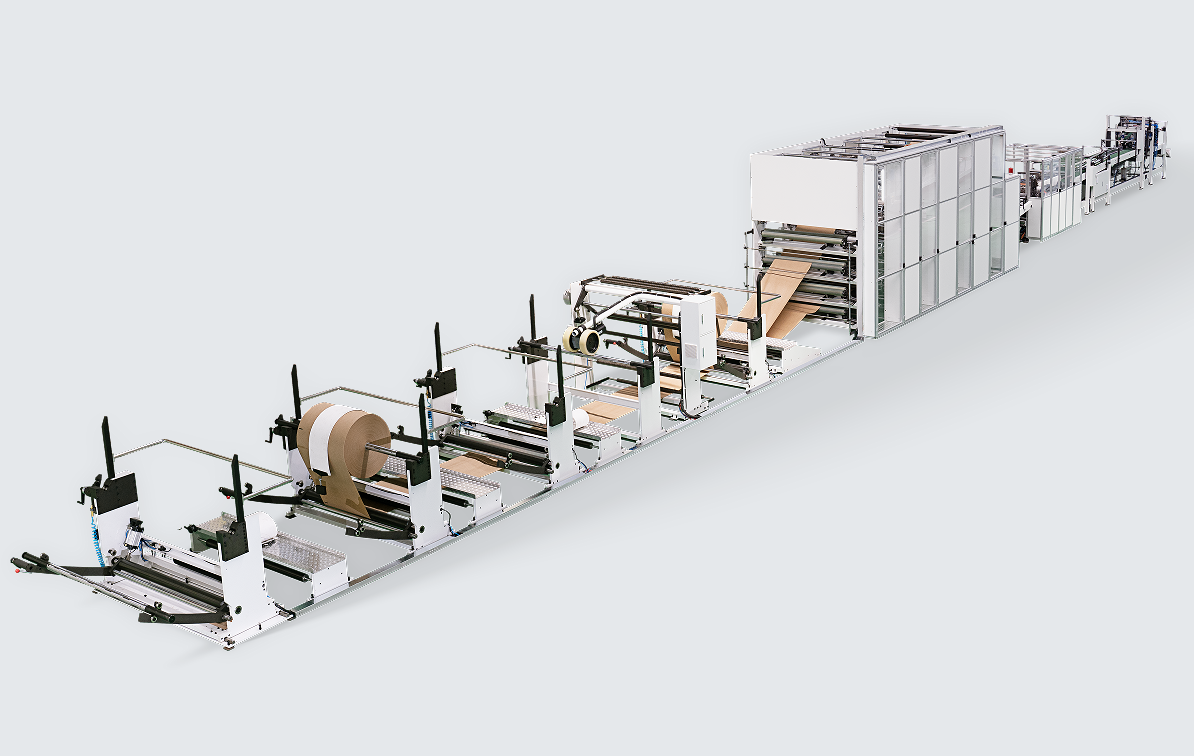
In the rapidly evolving world of metal fabrication and automated manufacturing, the shift from traditional tube forming machines to intelligent tube forming machines is becoming one of the most defining technological upgrades for modern factories. With growing demand for higher precision, faster production cycles, reduced labor dependency, smarter quality control, and lower operational costs, many manufacturers are now reevaluating their equipment choices.
In this comprehensive guide, we will clearly explain the major differences between the two systems, compare their performance, and help production engineers and factory owners understand which solution best fits their needs. As a company deeply involved in advanced tube forming equipment, we at DESHENG have firsthand experience supporting global manufacturers transitioning from conventional to intelligent tube forming solutions.
What Is a Traditional Tube Forming Machine?
A traditional tube forming machine is typically a mechanically driven or semi-automated system used for shaping metal tubes through processes such as bending, cutting, welding, or rolling. These machines rely heavily on manual adjustment, operator skill, and repeated calibration to achieve acceptable output quality.
Key Characteristics of Traditional Tube Forming Machines
- Manual setup and calibration
- Limited automation capabilities
- Basic or no digital control system
- Slower production speed
- High dependency on experienced operators
- Limited repeatability and consistency
- Higher material waste
- Requires frequent downtime for adjustment and troubleshooting
Traditional machines can still be effective for simple production tasks, low-volume batch manufacturing, or factories with lower automation requirements. However, as global markets push for precision, customization, and cost efficiency, their limitations become difficult to overlook.
What Is an Intelligent Tube Forming Machine?
An intelligent tube forming machine is an advanced, digitally enhanced, automated system that utilizes technologies such as CNC control, servo systems, IoT connectivity, AI algorithms, automated error detection, and real-time monitoring. These machines are specially designed to solve the pain points of traditional models and significantly improve overall manufacturing efficiency.
Key Characteristics of Intelligent Tube Forming Machines
- Fully automated or semi-automated operation
- CNC or PLC digital control
- Real-time data monitoring and smart diagnostics
- Higher precision and repeatability
- Faster cycle speed and stable output
- Lower labor costs due to reduced manual intervention
- Smart material feeding and forming control
- Integration with MES/ERP systems
- Predictive maintenance functions
As a manufacturer focused on advanced automation, DESHENG integrates high-end control systems, servo-driven modules, and intelligent sensors to help factories achieve stable, continuous, high-volume production with minimal downtime.
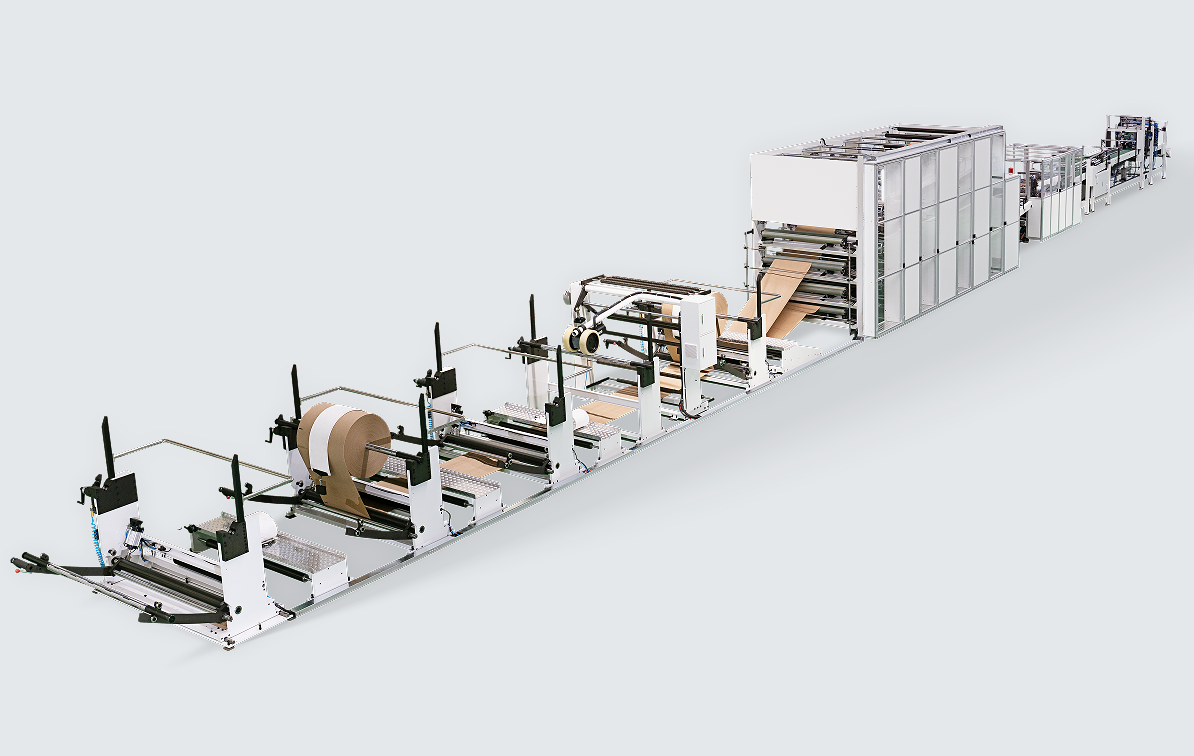
Traditional vs Intelligent Tube Forming Machines: A Complete Comparison
1. Automation Level
Traditional Machine
Most operations are performed manually. Even semi-automatic models still require frequent operator adjustments for feeding, bending angles, tool alignment, and quality checks.
Intelligent Machine
Automation is the core advantage. Intelligent systems handle:
- Tube feeding
- Angle correction
- Speed coordination
- Pressure adjustments
- Error detection
- Finished product inspection
This dramatically reduces human error and improves consistency.
2. Precision and Accuracy
Traditional Machine
Precision largely depends on operator skill and experience. Variations between batches are common.
Intelligent Machine
With servo motors, CNC control, and smart compensation algorithms, intelligent machines deliver:
- High repeatability
- Tighter tolerance control
- Uniform forming quality
At DESHENG, our intelligent systems achieve ±0.1 mm accuracy, enabling factories to produce high-end HVAC tubes, automotive parts, furniture components, and more.
3. Production Speed and Efficiency
Traditional Machine
- Slower cycle time
- Frequent manual adjustments
- High downtime for maintenance, tool resets, or calibration
Intelligent Machine
- Optimized motion control
- Automatic cycle coordination
- Continuous operation with minimal interruption
Factories using DESHENG's intelligent systems often report 40–60% higher production output compared with older mechanical models.
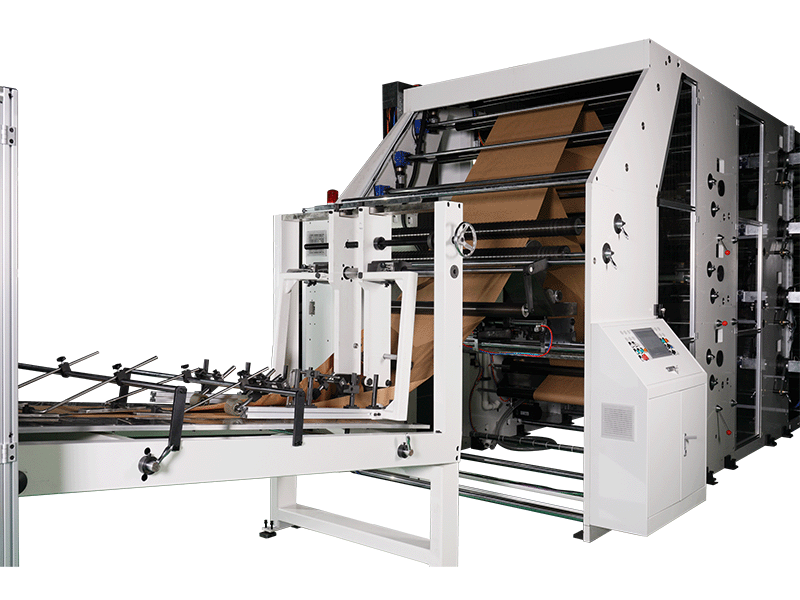
4. Labor Requirements and Skill Dependency
Traditional Machine
- Requires skilled operators
- Training costs are high
- Output quality varies between workers
- Labor shortages can affect production schedules
Intelligent Machine
- One operator can monitor multiple machines
- Lower skill requirements due to smart control
- Reduced labor cost
- Stable production even with minimal staffing
For factories facing high labor costs or operator turnover, intelligent systems offer a sustainable upgrade.
5. Flexibility and Customization
Traditional Machine
Changing specifications can be time-consuming:
- Manual resetting
- Lengthy mechanical adjustments
- High downtime
Intelligent Machine
CNC programming allows:
- Quick recipe changes
- One-click parameter switching
- Faster new product development
This is a critical benefit for factories producing multiple tube sizes or customized parts.
6. Quality Control and Error Detection
Traditional Machine
Quality checks rely heavily on visual inspection. Issues are often identified only after multiple pieces are produced incorrectly.
Intelligent Machine
- Integrated sensors
- Automated quality monitoring
- Real-time alarms
- Smart error correction
DESHENG's intelligent systems can stop production automatically when detecting anomalies, preventing large-scale waste.
7. Maintenance and Machine Health
Traditional Machine
- Mechanical components wear faster
- Lack of predictive maintenance
- Requires experienced technicians for troubleshooting
Intelligent Machine
- Built-in diagnostics
- Predictive maintenance alerts
- Remote monitoring and firmware updates
- Longer service life
These features significantly reduce unexpected downtime and repair costs.

8. Energy Efficiency and Material Savings
Traditional Machine
Higher material waste and energy consumption due to outdated mechanisms and inconsistent forming.
Intelligent Machine
- Energy-efficient servo systems
- Optimized forming process
- Reduced scrap rate
- Smarter material usage
Many DESHENG clients see a 10–20% reduction in material consumption after switching to more intelligent solutions.
Which One Should You Choose?
The decision depends on your factory's production scale, labor availability, cost structure, and long-term automation strategy.
Choose a Traditional Tube Forming Machine if:
- You produce low-volume orders
- You require simple tube forming tasks
- Your budget is very limited
- Skilled operators are available
- Precision requirements are not high
Choose an Intelligent Tube Forming Machine if:
- You aim for high-volume production
- Precision and consistency are critical
- You want to reduce labor and operational costs
- You need multi-size or frequently changing specifications
- You prioritize automation, digitalization, and Industry 4.0
Why Many Manufacturers Choose DESHENG
As a professional manufacturer of intelligent tube forming machines and automated tube production solutions, DESHENG focuses on helping businesses upgrade from traditional manufacturing to smarter, more efficient operations.
With DESHENG, you benefit from:
- Advanced CNC control systems
- High-precision servo-driven modules
- Customizable forming solutions
- Stable long-term operation
- Comprehensive technical support
- Global after-sales service
- Integration capability with factory automation systems
Our goal is to help your factory achieve higher efficiency, lower costs, and superior product quality through intelligent manufacturing technologies.
Conclusion
The differences between traditional and intelligent tube forming machines are substantial and becoming more important as global manufacturing moves toward automation and digitalization. Intelligent machines offer clear advantages in precision, speed, labor efficiency, energy usage, and long-term cost savings.
For factories seeking sustained competitiveness, the shift to intelligent equipment—like the advanced solutions we provide at DESHENG—has become a strategic investment rather than an optional upgrade.
Whether you are planning automation, upgrading outdated machinery, or expanding production, choosing the right tube forming system will directly impact your factory's productivity and profitability.